Articles

Fewer Surprises in Ecommerce Fulfilment | Visibility for Operations Directors

In ecommerce operations, surprises are expensive.

A dispatch issue that appears too late to fix cleanly. A backlog that builds before anyone has a clear picture of the scale. A service problem that customer support feels before operations does. KPI performance that looks fine on the surface, until someone asks for a more complete view.

For ecommerce Operations Directors, these are not small operational hiccups. They affect customer experience, team confidence, reporting, and commercial performance.

That is why fulfilment should not be viewed purely as the physical act of getting orders out of the door. It is also about visibility, reporting, and control.

When leaders can clearly see what is happening in fulfilment, they are better able to respond early, manage performance, and avoid unnecessary firefighting.

Most ecommerce businesses do not have a total shortage of data.

In fact, the opposite is often true.

The real problem is that fulfilment data is frequently spread across different systems, buried in manual updates, delayed by reporting gaps, or difficult to interpret quickly. As a result, operations teams can end up piecing together the real picture from multiple sources rather than having a reliable view in one place.

That creates risk.

Common fulfilment surprises often include:

  • order backlogs identified too late
  • SLA or dispatch issues surfacing after the impact has already been felt
  • patchy visibility across operational performance
  • slow or manual reporting for senior leadership
  • too much dependence on update-chasing
  • missed opportunities to resolve issues before they escalate

For Operations Directors, this usually means spending more time reacting and less time improving performance.

Most operations leaders are not asking for more dashboards, more reports, or more complexity.

They want clarity.

They need to know:

  • what is happening in fulfilment right now
  • whether service levels are being met
  • where issues are starting to emerge
  • how performance is tracking against KPIs
  • what they need to communicate internally with confidence

That is why visibility matters so much.

A strong fulfilment operation should not leave leaders guessing. It should make it easier to understand performance, spot problems early, and take action before small issues become bigger ones.

When fulfilment visibility is limited, teams often fall into a reactive pattern.

They chase updates. They wait for someone to flag an issue. They spend time confirming what is true before they can decide what to do next. Internal conversations become slower, and confidence in reporting drops.

Better visibility changes that dynamic.

It helps teams move from:

  • reacting late to spotting issues earlier
  • chasing updates to accessing answers faster
  • patchy reporting to clearer performance tracking
  • uncertainty to better operational control

For Operations Directors, this is important not just because it saves time, but because it supports stronger decision-making.

The sooner leaders can see what is changing in the operation, the sooner they can respond appropriately.

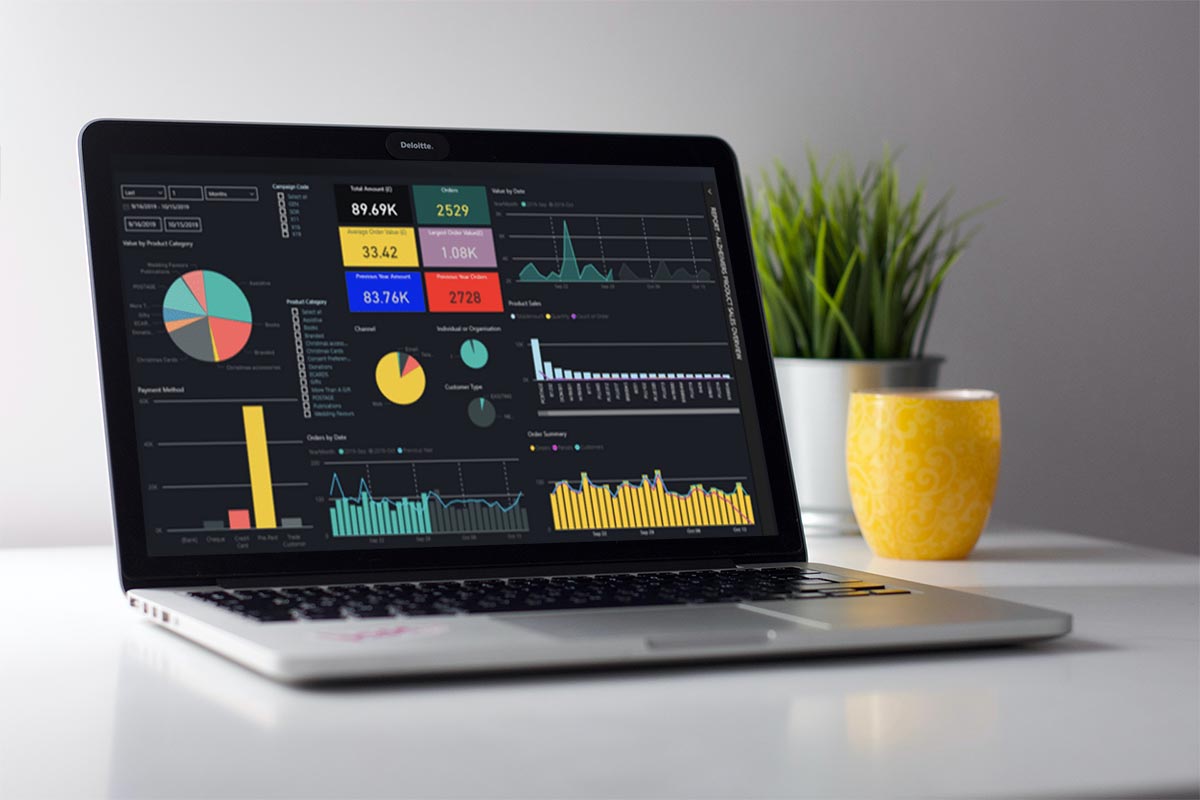
A dashboard does not need to be flashy to be useful.

For most ecommerce Operations Directors, the value of an operational dashboard is not in how it looks. It is in what it helps them do.

A practical fulfilment dashboard can support:

  • faster access to performance information
  • clearer reporting against fulfilment KPIs
  • improved oversight of daily operations
  • less reliance on ad hoc updates
  • better communication with internal stakeholders

In other words, the dashboard itself is not the outcome. The outcome is better visibility, fewer unknowns, and more confidence in how fulfilment is performing.

That is what makes dashboards useful in an operational setting. They act as a control layer, helping leaders stay closer to the day-to-day reality of fulfilment without having to dig through multiple sources to find answers.

As ecommerce businesses grow, fulfilment becomes more complex.

Order volumes increase. Customer expectations rise. Channels expand. Internal reporting becomes more frequent. The cost of operational surprises gets higher.

In that environment, visibility is not an optional extra. It is a core part of running fulfilment well.

If teams only discover problems once they reach customer experience, they are already behind.

If reporting is manual, delayed, or unclear, decision-making slows down.

If every answer requires several messages, spreadsheets, or follow-ups, the operation is losing time that could be spent on improvement.

Better fulfilment visibility helps reduce those pressures by making performance easier to understand, monitor, and manage.

For an ecommerce Operations Director, good visibility usually means being able to answer a few key questions quickly:

  • Are we on track today?
  • Are service levels holding where they need to?
  • Is there anything emerging that needs attention?
  • Are KPIs performing as expected?
  • Can I report upward confidently without chasing for updates?

If the answer to those questions is not easy to find, there is usually a visibility gap somewhere in the operation.

Closing that gap does not just improve reporting. It improves confidence, speed, and control.

Fulfilment performance has a direct impact on customer satisfaction, retention, brand reputation, and internal trust.

That is why reducing surprises in 3PL Fulfilment matters.

If fulfilment visibility is important to you, then it’s worth a conversation. Book a discovery call with ELOVATE and we’ll walk you through how Operations Directors gain the clarity they need.